Research-driven materials for advanced biomedical applications
Explore NanoCarbonTech’s MXenes and MXene-based composites for biomedical research – from understanding cell–material interactions to developing conductive scaffolds, functional biointerfaces and light-activated therapeutic platforms.
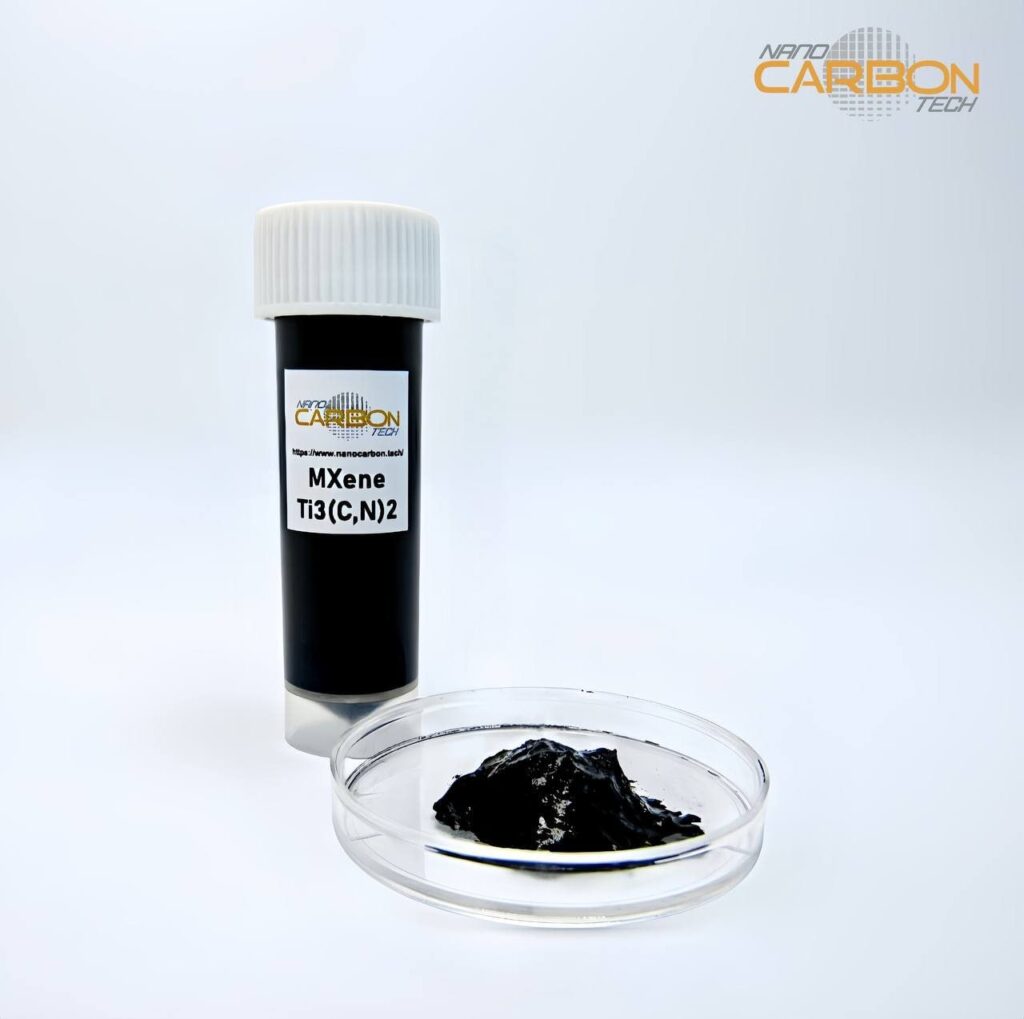
Ti₃C₂Tₓ
Titanium Carbide MXene
An electrically conductive 2D material with a functionalizable surface and near-infrared photothermal response. Ti₃C₂Tₓ is a versatile building block for biomedical composites and light-activated therapeutic systems.
Key characteristics: Electrical conductivity · Photothermal response · Surface functionalization · Synthesis-dependent cytocompatibility.
Ti₃CNTₓ
Titanium Carbonitride MXene
A mixed carbide–nitride MXene for investigating composition-dependent biological responses and developing functional biointerfaces.
Key characteristics: Mixed carbon–nitrogen composition · Tunable surface chemistry · Biointerface engineering
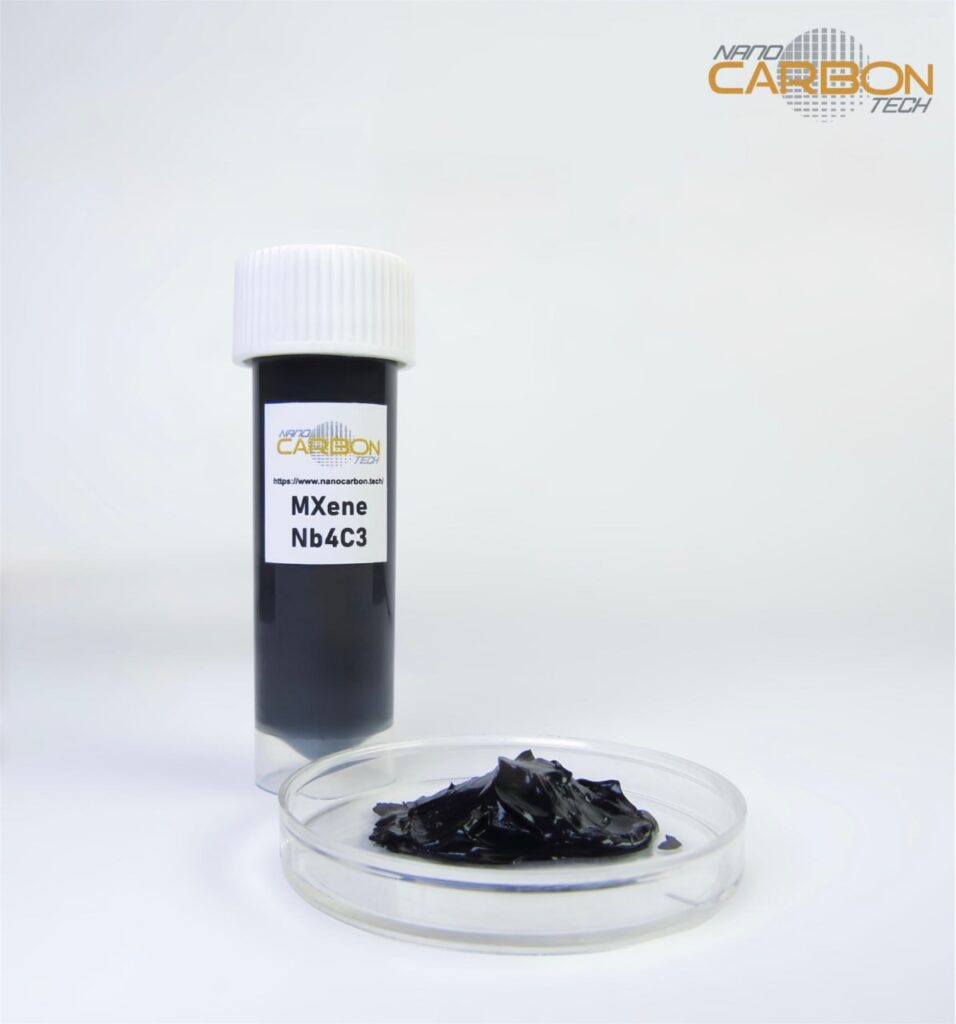
Nb₄C₃Tₓ
Niobium Carbide MXene
A niobium-based 2D material with strong near-infrared absorption and photothermal heating capability.
Key characteristics: NIR-II photothermal response · Cell compatibility under tested conditions · Externally activated heating · Preclinical cancer research.
Ta₄C₃Tₓ
Tantalum Carbide MXene
A tantalum-based MXene for studying biological interfaces, cellular uptake and immune interactions.
Key characteristics: Tantalum-based composition · Immune-cell compatibility studies · Cellular uptake analysis.
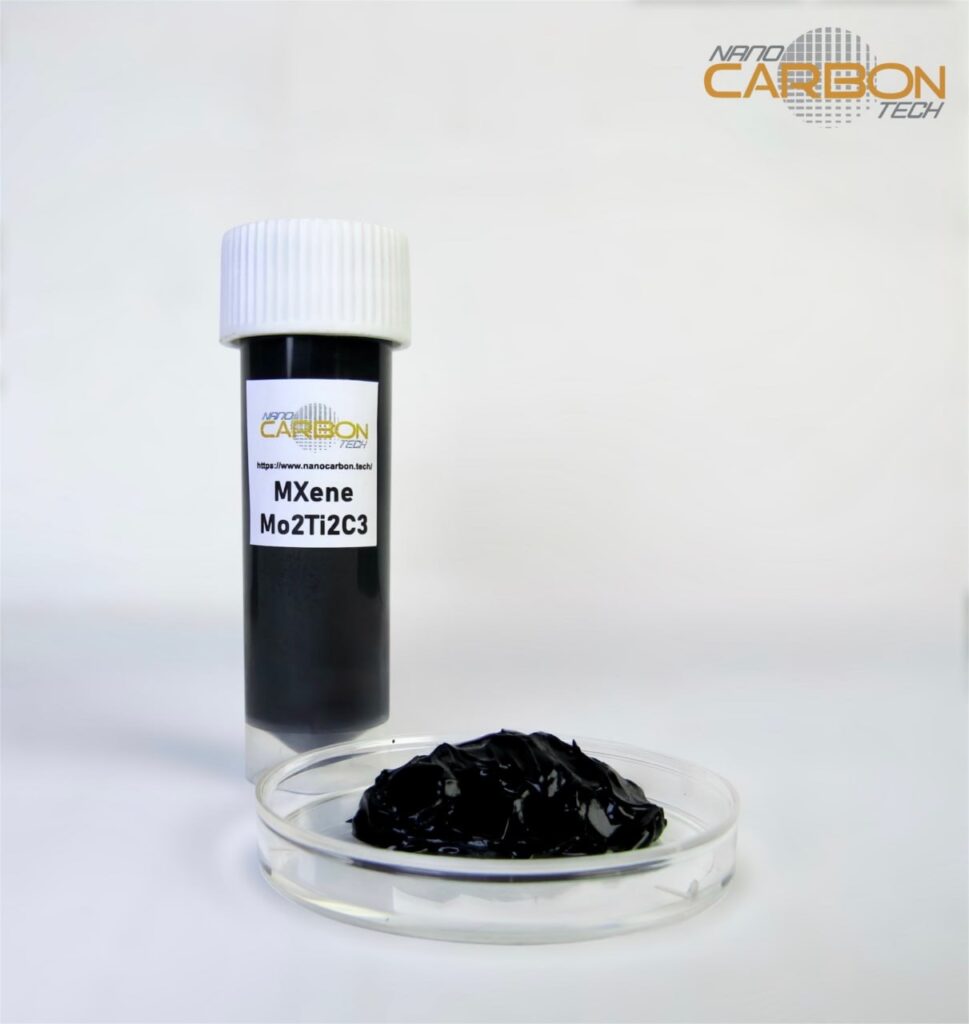
Mo₂Ti₂C₃Tₓ
Molybdenum–Titanium Carbide MXene
A dual-transition-metal MXene combining molybdenum and titanium in a layered structure.
Key characteristics: Dual-metal composition · Label-free elemental detection · Immune-interface research
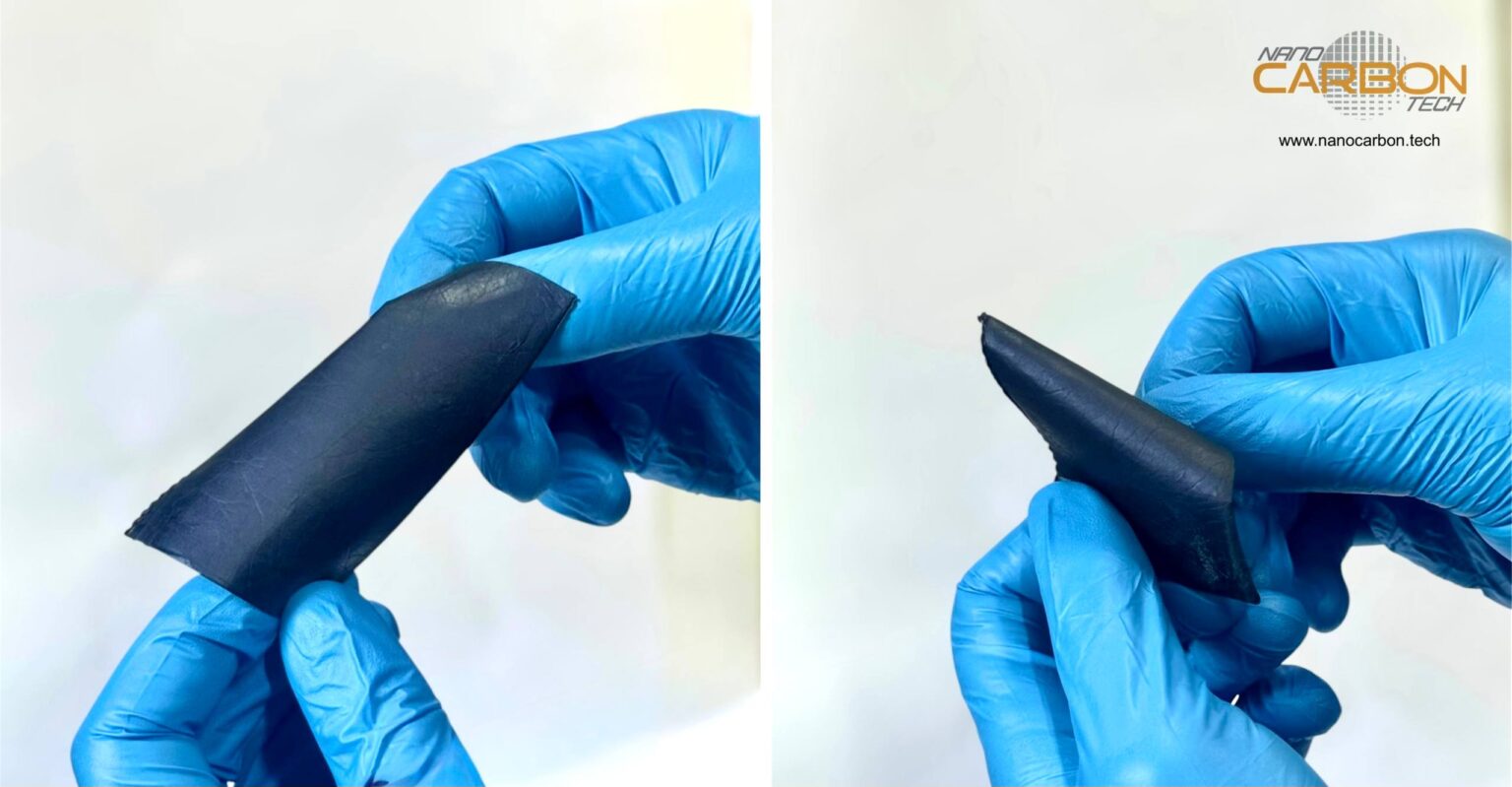
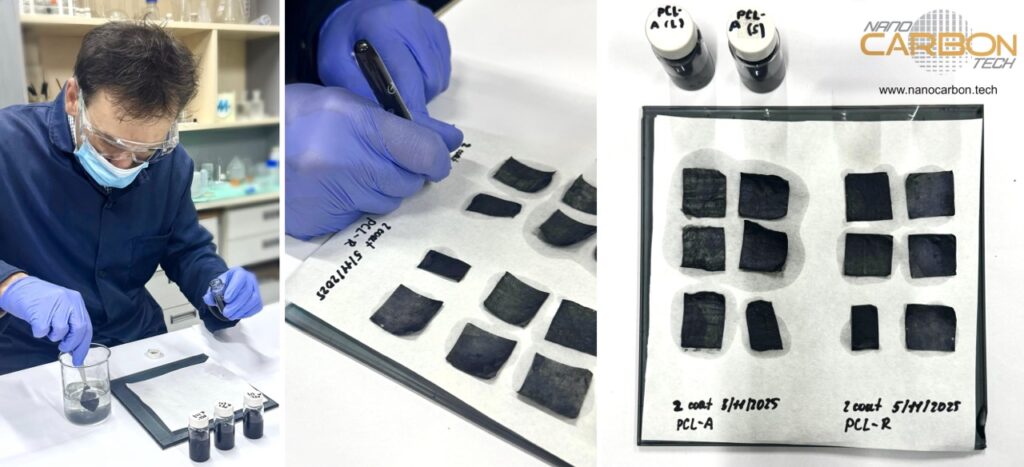
PCL–MXene Electrospun Membrane
Conductive Fibrous Scaffold
An electrospun polycaprolactone membrane functionalized with Ti₃C₂Tₓ MXene, combining a porous fibrous architecture with electrical conductivity and improved wettability.
Key characteristics: Porous fibrous structure · Conductive MXene coating · Improved wettability · Cell-supporting scaffold architecture.
Ti₃C₂Tₓ–PDA Complex
Polydopamine-Functionalized MXene
Ti₃C₂Tₓ nanosheets coated with polydopamine, providing a bioinspired interface for antibody immobilization and further surface functionalization. The complex combines photothermal functionality with a platform for constructing targeted biomedical systems. Specific target recognition is introduced through the attached antibody or other recognition ligand.
Key characteristics: Polydopamine-coated surface · Antibody immobilization · Photothermal functionality · Platform for targeted-system development.
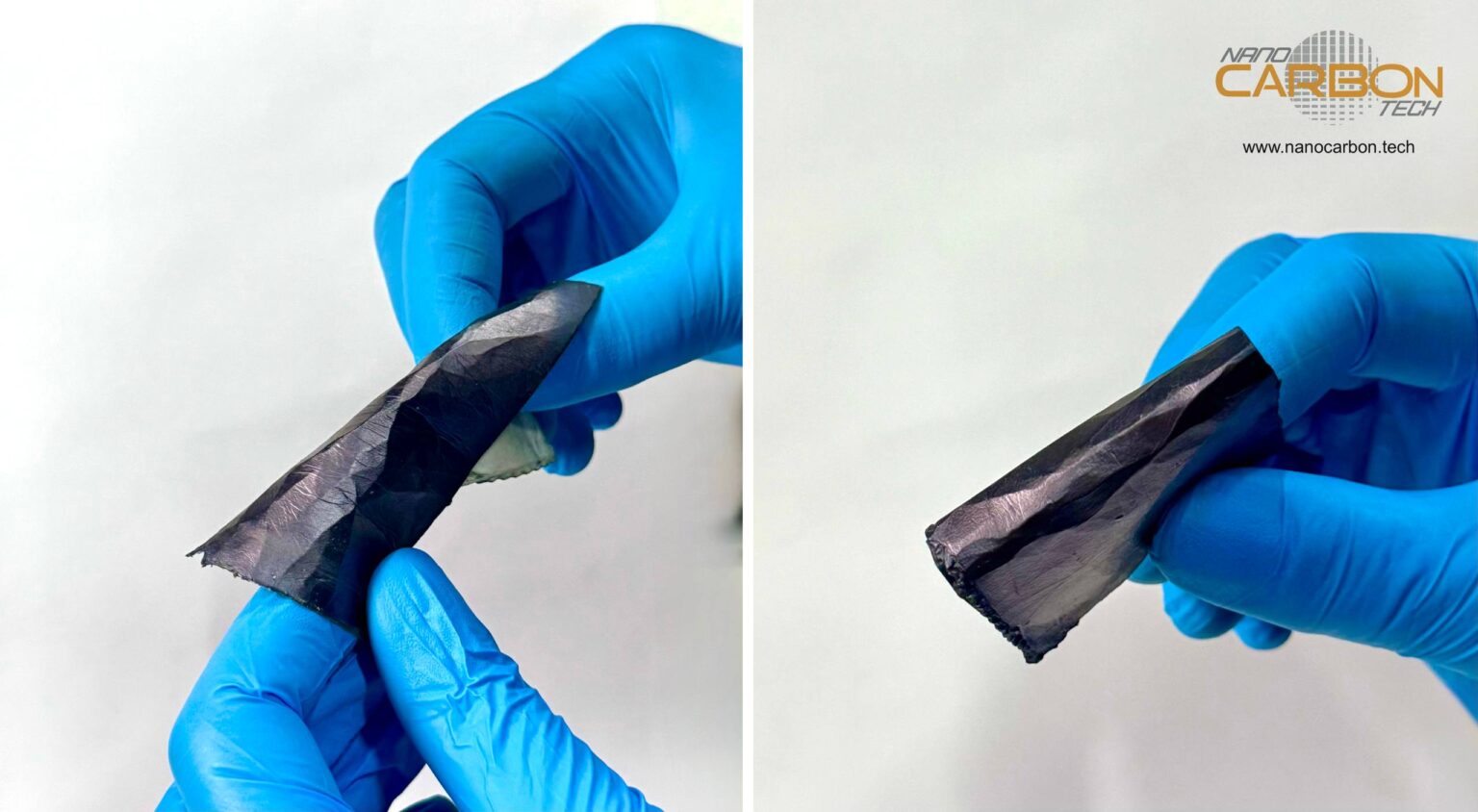
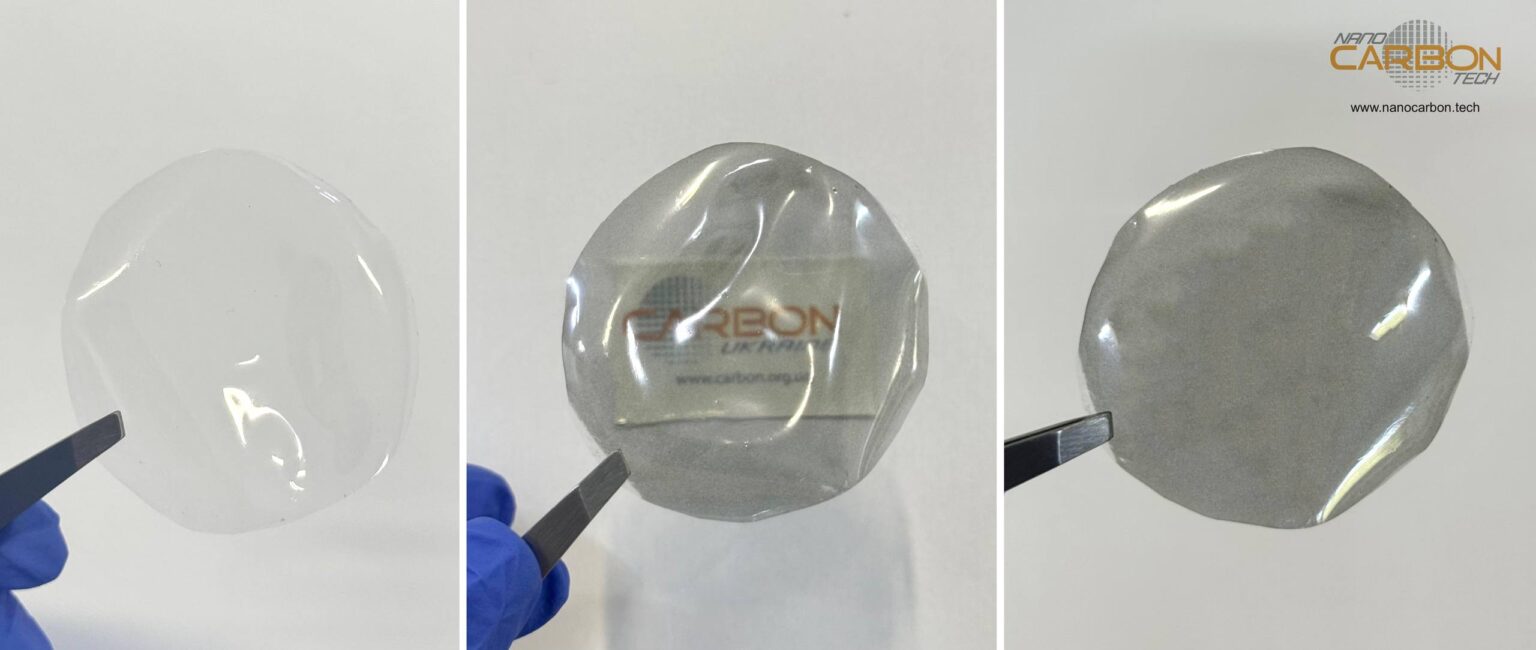
MXene–Silk Fibroin
Conductive Scaffold
A silk fibroin membrane functionalized with Ti₃C₂Tₓ MXene, combining a natural protein-based substrate with a conductive surface for biomedical scaffold and biointerface research.
Key characteristics: Silk fibroin matrix · Conductive MXene coating · Adjustable coating coverage · Platform for biointerface research.